
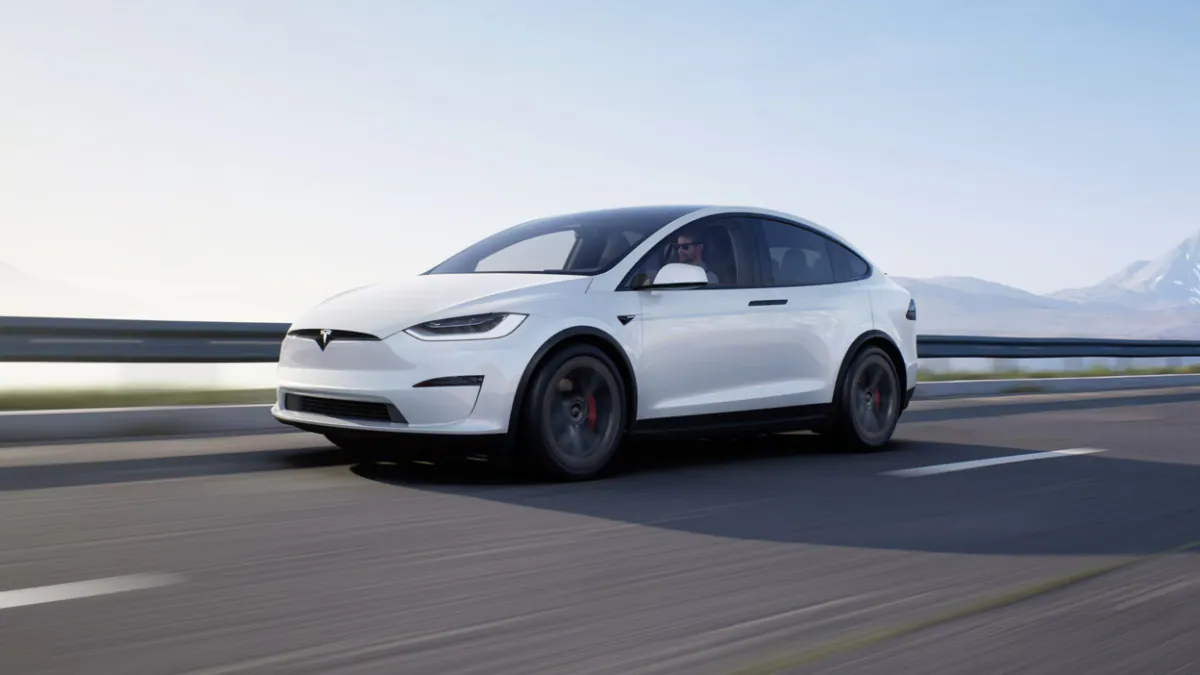
Self-driving cars are one of the most exciting and transformative technologies of our time. These vehicles have the potential to revolutionize the way we travel and transport goods. They could make our roads safer, reduce traffic congestion, and improve mobility for people who are unable to drive.
Self-driving cars are already being tested on public roads in many cities around the world, and some companies have even begun to offer commercial self-driving taxi services. However, there are still some challenges that need to be addressed before self-driving cars can be widely deployed.
One of the biggest challenges is developing self-driving cars that are safe and reliable in all conditions. Self-driving cars need to be able to navigate complex road environments, deal with unexpected events, and avoid obstacles. They also need to be able to communicate with other vehicles and infrastructure.
Another challenge is developing self-driving cars that are affordable and accessible to consumers. Self-driving cars currently use expensive sensors and software, but the cost of these components is expected to come down in the future.
Despite the challenges, the future of self-driving cars is very bright. Self-driving cars have the potential to make our lives easier and more convenient, and they could also help to reduce traffic fatalities and air pollution.
Trends and Developments in Self-Driving Car Technology
There are a number of trends and developments in self-driving car technology that are worth noting. One of the most important trends is the development of artificial intelligence (AI) and machine learning (ML) algorithms. Self-driving cars rely on AI and ML to perceive their surroundings, make decisions, and plan their routes.
Another important trend is the development of new sensor technologies. Self-driving cars use a variety of sensors, including cameras, radar, and lidar, to perceive their surroundings. New sensor technologies are making it possible for self-driving cars to perceive their surroundings more accurately and in a wider range of conditions.
Finally, there is a growing trend towards collaboration between self-driving car companies and automakers. Self-driving car companies are developing the software and hardware that powers self-driving cars, while automakers are developing the vehicles themselves. This collaboration is helping to accelerate the development and deployment of self-driving cars.
How Self-Driving Cars Will Impact Our Lives
Self-driving cars are expected to have a significant impact on our lives in the years to come. Here are just a few examples:
- Transportation: Self-driving cars could make it easier and more convenient to get around. People could use self-driving cars to commute to work, run errands, or go on vacation. Self-driving cars could also be used to provide transportation for people with disabilities and the elderly.
- Logistics: Self-driving trucks and delivery vehicles could revolutionize the way goods are transported. Self-driving vehicles could operate 24/7 and would not require human drivers, which could lead to significant cost savings. Self-driving vehicles could also help to reduce traffic congestion and emissions.
- Safety: Self-driving cars are expected to be safer than human-driven vehicles. Self-driving cars do not get distracted, drunk, or tired, and they can communicate with each other to avoid collisions. Self-driving cars could help to reduce traffic fatalities by a significant amount.
Conclusion
The future of self-driving cars is very bright. Self-driving cars have the potential to make our lives easier, safer, and more efficient. While there are still some challenges that need to be addressed, the technology is rapidly developing and we are moving closer to a future where self-driving cars are commonplace.
Responses (0 )